Why Adults Still Need Eye Exams Even With “Perfect” Vision

Why Adults Still Need Eye Exams Even With “Perfect” Vision

Why Adults Still Need Eye Exams Even With “Perfect” Vision

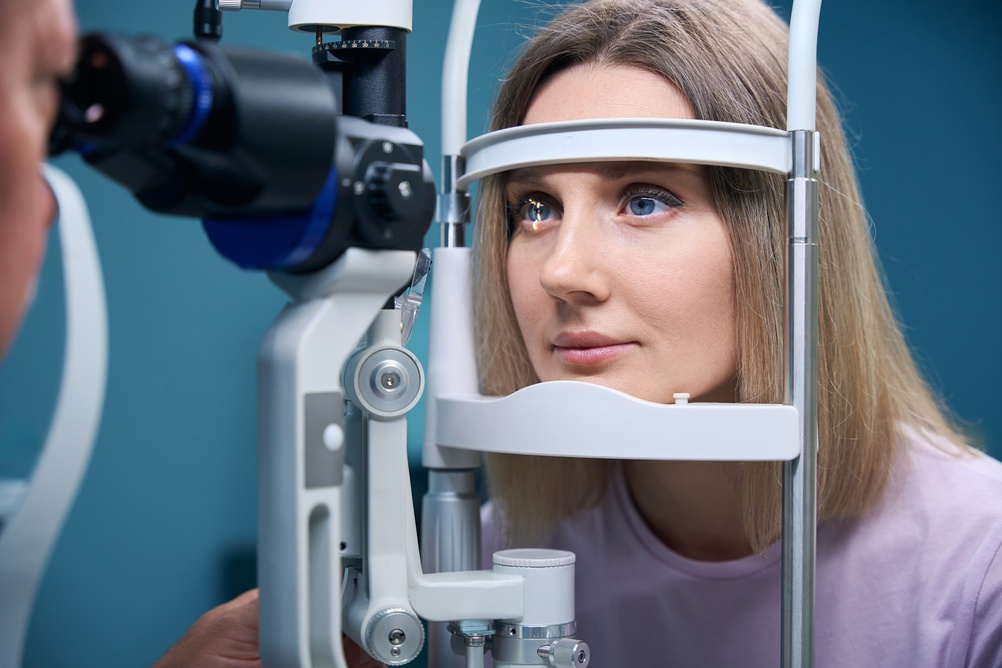
If you can read road signs clearly, work comfortably on your computer, and don’t experience eye strain or headaches, it’s easy to assume your vision is “perfect.” Many adults believe eye exams are only necessary when something feels wrong. However, clear vision does not always mean healthy eyes. Routine comprehensive eye exams play a critical role in protecting both your sight and your overall health - even when you think everything is fine.
What Is a Comprehensive Eye Exam?
A comprehensive eye exam is much more than reading letters off a chart. While visual acuity testing is one part of the visit, it only measures how clearly you see at a distance.
During a comprehensive exam, your optometrist will:
• Evaluate your visual acuity and determine whether your prescription needs updating
• Assess how your eyes work together and focus
• Check peripheral vision
• Examine the internal and external structures of the eyes
• Measure eye pressure
• Evaluate the health of the retina and optic nerve
• Screen for early signs of eye disease
Advanced diagnostic technology allows us to detect changes that may not yet be affecting your day-to-day vision. This proactive approach helps preserve your sight long-term.
Vision Changes Can Be Too Subtle to Notice
Many adults adapt to gradual vision changes without realizing it. You may not notice that you’re squinting slightly more, increasing screen brightness, or experiencing mild fatigue at the end of the day.
An updated prescription can make a meaningful difference in clarity and comfort. It’s also an opportunity to explore newer lens technologies designed to reduce digital eye strain, improve contrast, or enhance visual performance.
If you wear glasses, your eye exam is also the perfect time to evaluate whether your frames still fit properly and suit your lifestyle. Advancements in lens materials and coatings can provide thinner, lighter, and more durable options than what you may have purchased years ago.
Detecting Eye Disease Before Symptoms Appear
One of the most important reasons adults need regular eye exams is that many serious eye conditions develop without noticeable symptoms in their early stages. Diseases such as glaucoma, macular degeneration, and diabetic retinopathy often progress silently, causing damage long before a person becomes aware of any vision changes. By the time symptoms like blurred vision, blind spots, or vision loss appear, permanent damage may have already occurred, making early detection through routine comprehensive eye exams essential for preserving long-term eye health.
Your Eyes Can Reveal Underlying Health Issues
The eyes offer a unique window into your overall health. During a comprehensive exam, we can sometimes detect early signs of systemic conditions, including:
• High blood pressure
• Diabetes
• High cholesterol
• Autoimmune conditions
Changes in the blood vessels, retina, or optic nerve may indicate underlying concerns that require further medical evaluation. In some cases, an eye exam has been the first step in diagnosing a broader health issue.
How Often Should Adults Have Eye Exams?
Even if you have “perfect” vision and no known eye conditions, most adults should have a comprehensive eye exam every year. Those with risk factors - including diabetes, high blood pressure, a family history of eye disease, or significant screen time - may need more frequent evaluations. Regular visits allow us to establish a baseline for your eye health and monitor subtle changes over time.
Schedule Your Comprehensive Eye Exam Today
Seeing clearly is important - but it’s only one aspect of your eye health. Many eye diseases develop silently, and subtle vision changes can affect your comfort and performance without you even realizing it. Routine comprehensive eye exams at Dr. Stephen Nevett and Associates help ensure your prescription is accurate, your eyes are healthy, and any potential concerns are detected early.
Contact Dr. Stephen Nevett and Associates to schedule your annual comprehensive eye exam and take a proactive step toward lifelong eye health. Visit our office in Lynnwood (425) 712-8443, Kirkland (425) 602-6153, or Seattle (206) 364-2273 to book an appointment today.


Monday 9:30 AM - 6:00 PM
Tuesday 9:30 AM - 6:00 PM
Wednesday 9:30 AM - 6:00 PM
Thursday 9:30 AM - 6:00 PM
Friday 9:30 AM - 6:00 PM
Saturday 9:30 AM - 6:00 PM
Sunday 11:00 AM - 5:00 PM
Monday 9:00am - 6:00pm
Tuesday 9:00am - 6:00pm
Wednesday 10:00 AM - 7:00 PM
Thursday 9:00am - 6:00pm
Friday 9:00am - 6:00pm
Saturday 9:00am - 4:00pm
Sunday 11:00am - 4:00pm
© 2026 Dr. Stephen Nevett and Associates. All rights Reserved. - Sitemap - Privacy Policy
Powered by: